
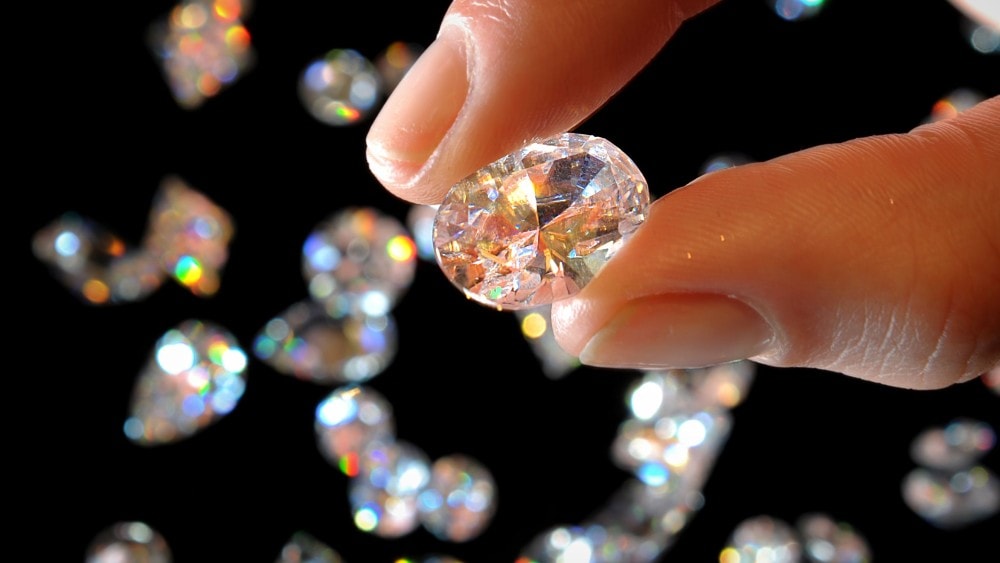
Diamonds have long been a symbol of beauty, luxury, and timeless elegance. For centuries, they were only sourced from the earth, requiring extensive mining processes that often came with environmental and ethical concerns. In recent years, however, a new option has captured attention in the jewelry world — lab grown diamonds. Among the advanced methods used to create them, the lab grown diamonds HPHT process and the broader category of lab made diamonds stand out for their remarkable quality and growing popularity.
What Are Lab Grown Diamonds?
Lab grown diamonds are real diamonds created in a controlled laboratory setting instead of being mined from the earth. They share the same physical, chemical, and optical properties as natural diamonds, meaning they are made of pure carbon arranged in a crystal lattice structure. These diamonds are not imitations or substitutes like cubic zirconia or moissanite. They are genuine diamonds, only differing in their origin.
The two most common methods for producing lab grown diamonds are HPHT, which stands for High Pressure High Temperature, and CVD, which stands for Chemical Vapor Deposition.
The HPHT Method
The lab grown diamonds HPHT method is one of the earliest and most established techniques for creating synthetic diamonds. It mimics the natural conditions under which diamonds form deep within the earth. In this process, a small diamond seed is placed inside a press and exposed to extremely high pressure and high temperature — conditions similar to those found hundreds of kilometers underground.
Carbon is introduced and, under these intense conditions, it crystallizes around the seed, forming a diamond. The HPHT method is known for producing diamonds with exceptional clarity and brightness. It is especially effective for creating high quality white diamonds, as well as certain colored diamonds by adding specific trace elements during the growth process.
Lab Made Diamonds vs. Natural Diamonds
The term lab made diamonds refers to any diamond grown in a laboratory, regardless of the method used. Whether created using HPHT or CVD, these diamonds are virtually identical to mined diamonds. Even professional gemologists often need specialized equipment to tell them apart.
The main differences are in cost, ethics, and environmental impact. Lab made diamonds are generally more affordable than their natural counterparts, sometimes by 30 to 40 percent for stones of similar size and quality. They are also considered more ethical since they avoid the social and environmental issues associated with traditional diamond mining.
Quality and Certification
Like mined diamonds, lab made diamonds are graded based on the four Cs — cut, color, clarity, and carat weight. Leading gemological laboratories, such as the Gemological Institute of America (GIA) and the International Gemological Institute (IGI), provide certification for lab grown diamonds, ensuring that buyers know exactly what they are getting.
The lab grown diamonds HPHT process often results in diamonds with fewer inclusions, giving them impressive clarity. Modern technology also allows for precise control over size and color, which means buyers can find exactly the diamond they want without compromise.
Environmental and Ethical Benefits
One of the most significant advantages of lab made diamonds is their reduced environmental footprint. Mining natural diamonds requires moving large amounts of earth, which can disrupt ecosystems and contribute to habitat loss. It also consumes significant energy and water resources.
By contrast, lab grown diamonds are created in specialized facilities that require far less land disruption. While they do consume energy, the environmental impact is generally lower, especially when renewable energy sources are used in production. Additionally, choosing lab made diamonds helps avoid concerns over conflict diamonds, which are mined in war zones and sold to finance armed conflict.
Popularity in the Jewelry Market
The demand for lab grown diamonds has grown rapidly over the past decade. Younger generations, particularly Millennials and Gen Z, are increasingly prioritizing sustainability, ethical sourcing, and value for money when purchasing fine jewelry. As a result, many jewelers now offer both natural and lab made options, with some even specializing exclusively in lab grown diamonds.
The lab grown diamonds HPHT method, in particular, continues to evolve. Advancements in technology allow for faster growth times, larger carat sizes, and an even broader range of colors. From engagement rings to fashion jewelry, these diamonds are making their mark in nearly every segment of the market.
Customization Possibilities
One of the exciting benefits of lab made diamonds is the ability to customize. Since they are grown in a controlled environment, buyers can select specific parameters for their diamond, such as color grade, clarity, and size, often at a lower cost than a natural diamond of similar quality. This customization makes it easier to create truly personal and unique jewelry pieces.
For example, colored diamonds, which are rare and extremely expensive in nature, can be created in the lab by introducing certain elements during the growth process. The HPHT method is particularly good at producing vivid yellow, blue, or green diamonds, giving customers more creative options.
The Future of Diamonds
With continuous advancements in technology and growing consumer awareness, lab made diamonds are likely to play an even bigger role in the jewelry industry. The lab grown diamonds HPHT process is expected to become more energy efficient and capable of producing even higher quality stones.
In the coming years, the line between natural and lab made diamonds will likely blur further, as both offer beauty and brilliance. However, the ethical and environmental benefits, along with more accessible pricing, make lab grown diamonds a compelling choice for many buyers today.
Final Thoughts
Lab made diamonds, including those created through the HPHT method, represent a new era in the diamond world. They combine the beauty and durability of natural diamonds with the benefits of ethical sourcing and environmental responsibility. Whether you are searching for an engagement ring, a special gift, or a stunning piece of jewelry for yourself, these diamonds offer an option that is both modern and meaningful.