
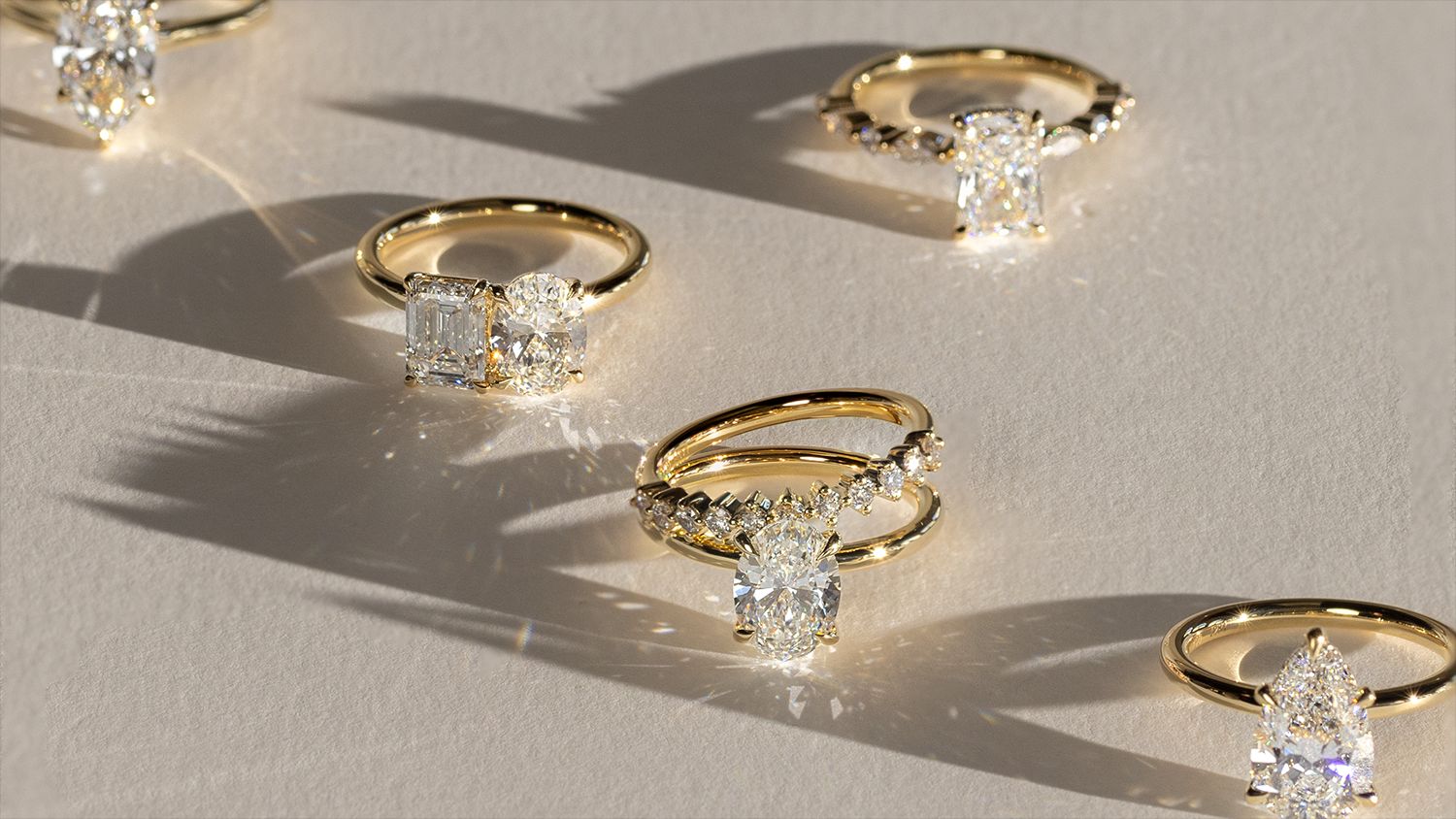
In recent years, within the spectrum of the jewellery consumer segment, the demand for naturally mined stones have fallen tremendously and among the main reasons cited for this decline is the rise in popularity of lab grown diamonds. The chemical and physical properties of lab grown diamonds are identical to that of natural diamonds and the cost of creating a two-carat diamond or bigger in a lab is significantly lesser than the cost of mining a natural stone from the depths of the earth.
There are numerous advantages that lab grown stones have over naturally mined diamonds and among the more prominent advantages is the much lower price of lab grown diamonds, followed by the choices and also the fact that lab grown stones are deemed to be ‘green’ as the creation of lab grown diamonds do not involve the destruction of habitats and does not raise any ethical issues whatsoever.
Although, the prices of natural diamonds have fallen by more than 20 % in the past few years, the fall in the prices of natural diamonds are still unable to match the prices of lab grown stones carat to carat. A lab grown one carat diamond generally costs between 50 – 70% lower than natural diamonds. The fact that diamond brokers are starting to lean heavily towards loading their inventories with more synthetics than natural stones in order to maintain revenues speaks volumes for the industry which has been disrupted severely.
Another driving force that has allowed lab grown diamond sellers to gain competitive advantage is the customization element that lab grown diamonds offer. Synthetic diamonds offer consumers a level of customisation that is simply not possible with natural stones and customisation is a critical factor when it comes to fashion trends. Lab grown diamond sellers and brokers are able to offer customers a wider range of colours and in much larger sizes at a fraction of the cost when compared to natural stones.
The fashion industry has practically gobbled up synthetic stones and a significant number of diamond retailers, wholesalers and brokers have entirely abandoned natural stones citing inventory overloads and low demand. The reason behind the high inventories held by retailers is mainly attributed to the ‘diamond rush’ that transpired a few years ago when there was a brief ‘diamond oversupply’ and this was followed by a surge in demand for synthetic diamonds that left many diamond brokers with ‘unwanted stock’.
What followed after was a price war between diamond wholesalers and brokers that caused the prices of natural diamonds to spiral downwards. This down spiral is anything, but over as industry players are expecting the prices to fall even further over the next few years before stabilising at a new low.
The situation has impacted the mining component of the diamond industry more than any other component within the industry and it is not too far from the truth to say that the cost of mining a one carat diamond will be higher than what consumers will be willing to pay as consumers now have the option to buy lab grown diamonds instead.


