
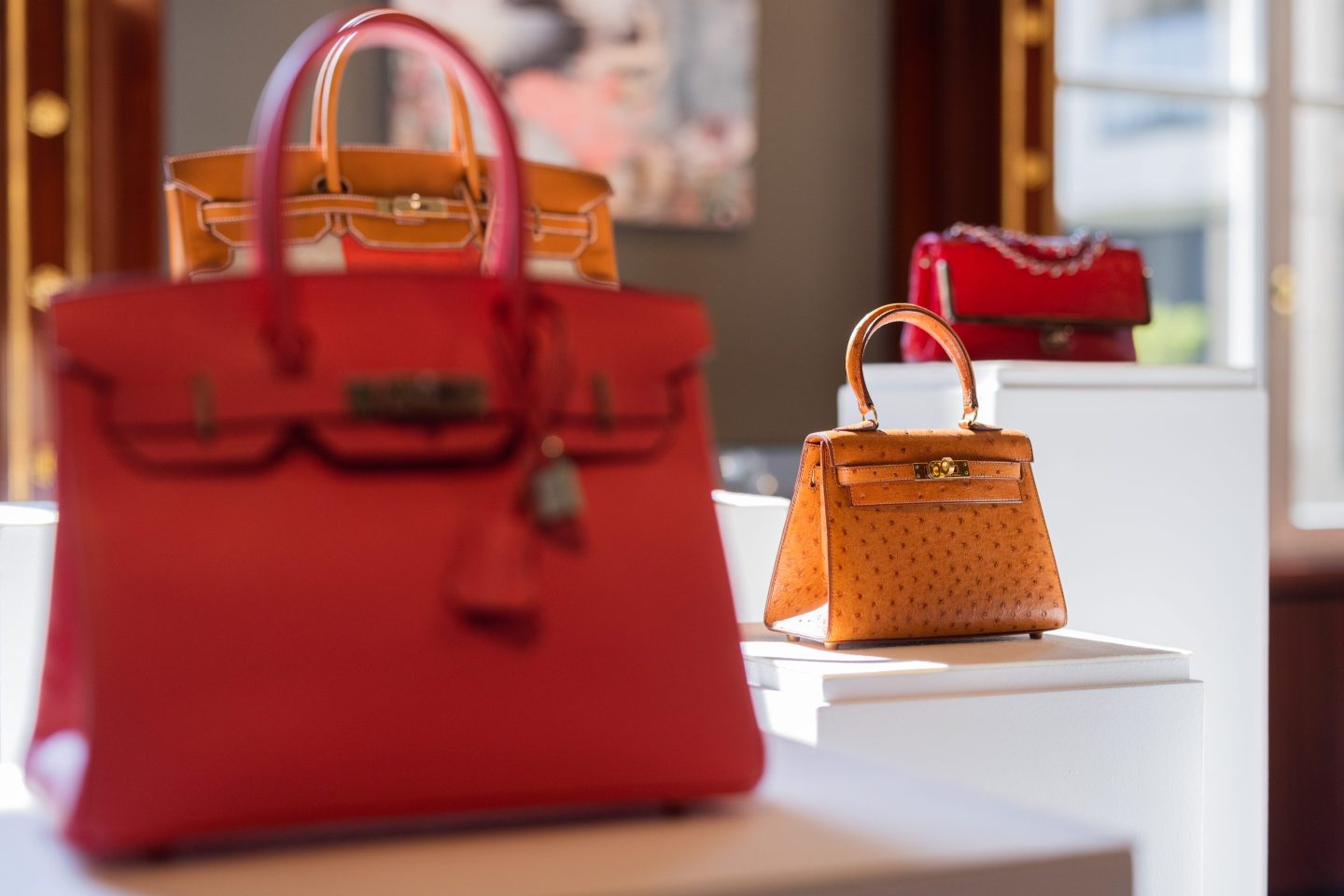
Ever stared at that designer bag sitting in your closet and thought, “Hmm… do I actually need this?” Or maybe you’ve got a few pieces of old jewelry that are just gathering dust. Let’s be honest, life changes. Tastes change. And sometimes, cash flow changes too. That’s where the world of sell designer bags and talking to gold buyers suddenly becomes super interesting.
You might be surprised how much value you’re sitting on. And no, I’m not talking about selling your soul.
A Little Backstory: Why We Keep Stuff We Don’t Use
Think about it: when was the last time a handbag or a gold necklace actually “spoke” to you? Most of us accumulate things because we could use them someday. “Maybe I’ll wear this bag again for a fancy event.” Or, “I’ll keep this bracelet—it’s gold, after all.”
Here’s the thing: trends change. Bags you bought two years ago might now be out of style, while others have skyrocketed in resale value. I remember my friend Mia who bought a Louis Vuitton back in college. She barely used it. Two years later, she sold it for almost double what she paid. Double.
And jewelry? Don’t even get me started. Gold has this magical property: it holds value. Always. Even if the design is a bit… let’s say, retro.
That’s why people are getting smarter. Instead of hoarding, they’re exploring the idea of selling designer bags or checking in with gold buyers. Honestly, it’s like finding hidden treasure in your own closet.
Options, Trends, and Advice: What You Can Actually Do
Okay, so you’re intrigued. What now? First, let’s break down the options:
- Sell Designer Bags Online
Websites and apps have made this so much easier. Platforms like The RealReal or Vestiaire Collective let you list your bag, get it authenticated, and sell. You might be surprised at how many buyers are out there willing to pay top dollar for pre-loved designer pieces. - Consignment Shops
If you’re not the tech-savvy type, physical consignment stores are gold mines. They handle the selling process for you and often get better local visibility. Plus, there’s something satisfying about handing over your bag and walking out with a few hundred bucks in your pocket. Instant gratification. - Gold Buyers
Now, about that old jewelry. Gold buyers, both local and online, are popping up everywhere. The key is to get multiple quotes. To be fair, some buyers are willing to pay a lot more than others. Tip: bring any paperwork or certification you have—it helps. Even if your necklace is from Aunt Linda’s old collection, there’s still value. - Auction Houses
For rare designer bags or high-karat gold pieces, auctions are sometimes the way to go. They can be a little intimidating, but if your item is unique, you could end up with a killer price. - Trade-In Programs
Some brands now offer trade-in options. You send them your old bag or jewelry, and they give you credit toward a new purchase. Not cash, sure, but if you’re already eyeing something else, it’s a win-win.
The golden rule? Don’t rush. Research. Compare. And yes, trust your gut.
The Local Angle: Why Your City Matters
Here’s something that often goes unnoticed: where you live can change the game. Let’s say you’re in a city with a strong luxury market. Designer bags often fetch higher resale value there because demand is high. People are willing to pay for convenience and authenticity.
And gold buyers? Urban centers usually have more competition, which is good news for sellers. You might get a few quotes that are surprisingly high just because the local market is hot.
Compare that to a smaller town. Fewer buyers might mean a slower sale or lower offers. But hey, that’s where online options shine. You can reach a global market instead of waiting months for a local buyer.
Also, there’s a quirky thing I’ve noticed: certain neighborhoods attract different crowds. A gold buyer in a financial district might be more buttoned-up, offering you slightly lower but reliable quotes. One in an artsy area? Might negotiate more casually but throw in some extra perks. Human nature is weird. Markets are weird. And honestly, that’s part of the fun.
The Process: How It Actually Works
Let’s break it down step by step. No corporate jargon, promise.
- Gather Everything
Before you even think about selling, take stock. Bags, jewelry, anything with resale value. Don’t forget paperwork or receipts. Authenticity matters. - Do a Quick Valuation
Google is your friend. Check resale sites for designer bags or use online calculators for gold. Get a ballpark figure. You might be shocked. - Shop Around
For bags, check multiple platforms. For gold, visit a few buyers. Ask questions. “How do you determine the price?” or “Do you factor in design or just weight?” A bit of curiosity goes a long way. - Negotiate
Yes, negotiate. Don’t be shy. People expect it. And let’s face it, the worst that can happen is they say no. - Close the Deal
Once you’re happy with the offer, finalize the sale. For bags, this might be shipping. For gold, it’s usually instant payment. Either way, enjoy the small victory of turning old stuff into cold, hard cash.
Wrapping It Up
At the end of the day, selling designer bags or visiting gold buyers isn’t just about money. It’s about making space—physically and mentally. Letting go of things you no longer love, but still getting value from them. And honestly? There’s a little thrill in knowing that your forgotten Louis Vuitton or your old gold bracelet could be someone else’s treasure.
So next time you peek into your closet or jewelry box, think about it. That pile of “maybe someday” items? Could be tomorrow’s payday.


